
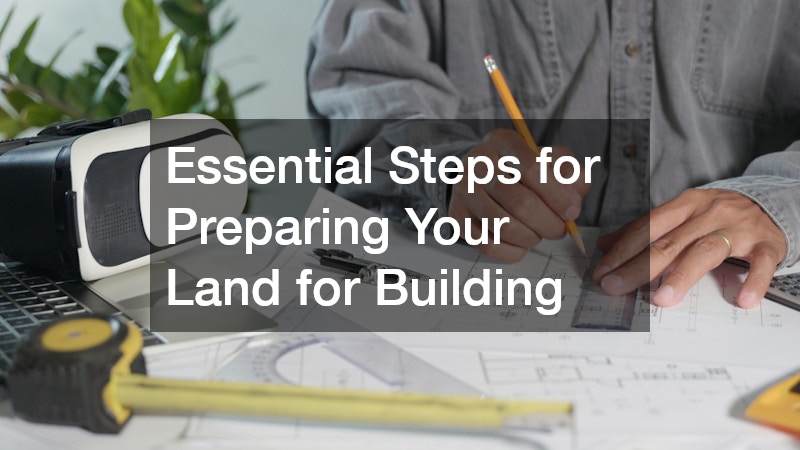
Embarking on a new construction project is a journey that begins long before the first frame of the house is raised. While many homeowners dream of the finished interior or the color of the siding, the most successful projects are built on a foundation of meticulous site preparation. This process is about more than just moving dirt; it is a complex orchestration of engineering, environmental management, and logistical planning. Skipping or rushing through these early stages can lead to catastrophic structural issues, drainage failures, or legal disputes down the line. By understanding the sequence of events required to transform a raw piece of property into a build-ready site, you can save thousands of dollars and ensure that your investment stands the test of time.
Initial Property Survey and Site Analysis

Before a single machine arrives on your property, you must have a clear and legal understanding of the land’s constraints. A professional land survey is the first non-negotiable step. This document identifies the exact boundaries, easements, and setbacks that dictate where you can and cannot build. It also identifies the location of underground utilities, which is vital for safety and planning.
Beyond the legal boundaries, a topographic analysis reveals how the land naturally sheds water. Understanding the “lay of the land” allows you to plan for a building envelope that remains dry even during heavy storms. This stage involves looking for low spots where water might collect or steep grades that might require extra stabilization. Identifying these issues early allows you to incorporate solutions into your overall budget rather than dealing with them as emergencies mid-build.
Professional land clearing is essential because it addresses what is beneath the surface as well as what is above it. Removing a tree is only half the battle; the root system must also be extracted to prevent future soil instability as the organic matter decays. A clean site provides the blank canvas needed for accurate grading and ensures that heavy machinery can move freely without the risk of getting hung up on hidden stumps or debris.
Massive Earthmoving and Soil Management
After the site is cleared of vegetation, the heavy work of reshaping the earth begins. This is where the theoretical plans for your home’s foundation meet the reality of the dirt. Most properties are not naturally level enough for a standard foundation, requiring a process of moving soil from high areas to fill in the lower sections of the building envelope.
This is the point where you must engage an excavation company to handle the precision grading required for your home. These professionals use specialized equipment to ensure that the ground is not only level but also properly compacted to support the immense weight of a concrete slab or basement. Improperly compacted soil is a primary cause of foundation cracking, making this one of the most critical phases of the entire building process.
Whenever you move large amounts of earth, you disturb the natural stability of the soil. Without intervention, rain can quickly wash away your progress, leading to silt-clogged drainage systems or even landslides on steeper properties. Erosion control measures, such as silt fences and straw wattles, are temporary fixes used during construction, but permanent solutions are often needed for long-term safety.
In areas with significant elevation changes, the installation of retaining walls is often a structural necessity. These features hold back massive amounts of earth, creating flat, usable tiers on a hillside and protecting the home from the pressure of shifting soil. When engineered correctly, they serve as both a functional backbone for the property and a defining architectural element that adds value and security.
Ordering and Managing On-Site Materials

As the “rough” work nears completion, the focus shifts to bringing in the specific materials needed to stabilize the site and prepare for the finer details of the build. This involves a high degree of logistical coordination, as large trucks need clear paths to drop off heavy loads without getting stuck or damaging the newly graded soil.
Sourcing high-quality landscaping material in bulk is a strategic move that helps transition the site from a construction zone to a finished property. Whether it is crushed stone for a temporary staging area or screened topsoil that will eventually support your lawn, having these items delivered in a specific sequence prevents the site from becoming a muddy mess. It also ensures that you have the right components on hand to fill in around foundations and utility trenches as they are completed.
Construction projects require a constant stream of heavy vehicles, from lumber deliveries to concrete mixers. If you do not have a durable access point, these vehicles will quickly churn the soil into deep ruts, making the site inaccessible during wet weather. A “construction entrance” is typically a thick layer of heavy stone that brushes mud off tires and provides a stable platform for heavy loads.
Consulting with a local paving contractor during this phase can help you determine the best route for your permanent driveway while utilizing it as a temporary access road in the meantime. These experts understand the local soil conditions and can advise on how deep the sub-base needs to be to prevent the road from collapsing under the weight of a fully loaded delivery truck. Proper planning here ensures that your permanent entrance is not ruined before the house is even finished.
Foundation Preparation and Concrete Work
The transition from “dirt work” to “vertical work” happens at the foundation. This is the moment where the house begins to take shape. The trenches are dug, the footings are formed, and the plumbing and electrical lines are stubbed in. Everything must be perfectly square and level, as any error at this stage will be magnified as the walls go up.
You will need to coordinate with local concrete companies to schedule the delivery of the specialized mixes required for your specific foundation type. Because concrete is a time-sensitive material, the site must be fully prepared for the trucks to arrive and pour without delay. A well-organized site allows the drivers to get close to the forms, reducing the need for expensive pumping equipment and ensuring a more efficient pour.
Hiring a professional driveway paver is the best way to ensure that your home’s entry is both beautiful and functional. These specialists focus on the precision of the slope to ensure that water always drains away from the house and toward the designated drainage areas. A properly installed driveway is an investment that protects your vehicles and provides a clean, mud-free path to your front door for decades.
Expanding the Use of Large-Scale Paved Surfaces
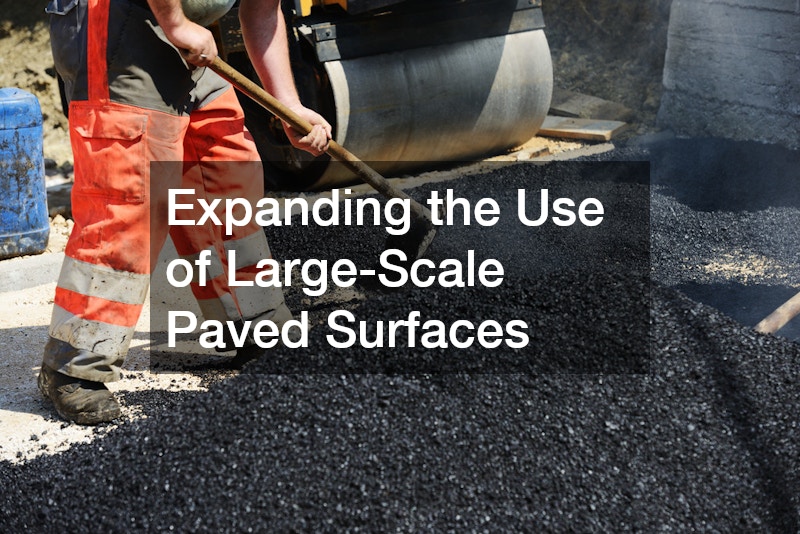
For many properties, the driveway is just the beginning of the paved surfaces required. You may need large parking pads for recreational vehicles, paths to secondary shops, or even a private road if your home is set far back from the main thoroughfare. These large expanses require a material that is both durable and cost-effective over a wide area.
Reaching out to an asphalt paving company is often the best solution for these expansive needs. Asphalt provides a flexible, weather-resistant surface that can handle significant weight and is much faster to install than individual stones or concrete. For long rural drives or large turnarounds, this material offers a smooth finish that integrates seamlessly with the surrounding landscape while providing a reliable surface for all types of traffic.
Experienced paving contractors are essential during this final phase of the build. They bring the technical skill required to work with various materials, ensuring that every joint is tight and every surface is perfectly pitched. By hiring specialists who understand the nuances of different paving techniques, you ensure that the exterior of your home matches the quality and care put into the interior.
Integrating Permanent Outdoor Living Features
The final step in preparing your land for long-term enjoyment is the installation of permanent outdoor structures that bridge the gap between the house and the garden. These areas serve as the transition zones where you will entertain guests, cook meals, and enjoy the scenery you have worked so hard to prepare.
Quality hardscaping is what separates a standard yard from a truly integrated outdoor living space. This includes the installation of stone patios, permanent fire pits, and decorative walkways that tie the various elements of the property together. When these features are planned during the initial site preparation, they can be built on the same stable sub-grade as the house, preventing the settling and cracking that often plagues DIY outdoor projects.
To keep your project on track, it is helpful to categorize your tasks into specific phases. This ensures that you are not skipping ahead to aesthetics before the structural work is finalized.
- Pre-Construction Phase
- Secure all necessary building permits and environmental clearances.
- Confirm utility locations and mark all “no-dig” zones.
- Establish a clear budget for “unforeseen” dirt work issues.
- Earthwork and Utility Phase
- Ensure the excavation team has a clear set of grading plans.
- Verify that all trenching for water, sewer, and power is deep enough to meet local codes.
- Install permanent drainage culverts under any planned road crossings.
- Finalization Phase
- Schedule a final grade of the soil to remove any ruts caused by construction equipment.
- Apply a final layer of topsoil and seed to any disturbed areas to prevent erosion.
- Conduct a walk-through with your paving team to ensure all water-shedding is functioning as intended.
Managing the Human Element of Site Prep
Beyond the machines and materials, site preparation is a human endeavor. You will be managing a variety of subcontractors, each with their own schedule and priorities. Effective communication is the “grease” that keeps the gears of a construction project turning.
- Detailed Contracts: Ensure that every contractor provides a detailed scope of work. If you expect the excavation team to haul away the debris from the land clearing, make sure that is explicitly stated in the document.
- Sequential Scheduling: Do not book the paving team for the same week the lumber is being delivered. Give each trade enough space to complete their work without tripping over one another.
- Site Cleanliness: A cluttered site is a dangerous site. Insist that each team cleans up their debris daily to prevent accidents and keep the project moving efficiently.
One frequent mistake is neglecting the “off-site” impacts of your construction. If your grading causes water to flood a neighbor’s property, you could be held liable for the damages. Always ensure your drainage plan considers where the water goes after it leaves your property line.
Another pitfall is trying to save money on the sub-grade. Many homeowners are tempted to spend their entire budget on the “top layer” like expensive pavers or high-end asphalt while skimping on the crushed stone and compaction underneath. Without a solid base, even the most expensive surface will fail within a few years.
The Value of Professional Expertise
While the “do-it-yourself” spirit is a hallmark of homeownership, site preparation is one area where professional expertise pays for itself. The equipment required for these tasks is massive and dangerous for an untrained operator. Furthermore, the knowledge of local soil types and weather patterns is something that only comes with years of experience in the field.
When you hire professionals, you are not just paying for their time and machinery; you are paying for their insurance, their bonding, and their guarantee that the work meets local codes. This provides a layer of protection for your investment that is invaluable. A site that has been professionally prepared will have fewer drainage issues, a more stable foundation, and a higher resale value than one where the shortcuts are evident.
Preparing your land for building is an intense, multi-faceted process that requires patience and a strategic approach. It is the phase of construction that is most likely to be affected by weather and hidden geological surprises, but it is also the most rewarding once completed. By focusing on the structural integrity of the soil, the efficiency of the drainage, and the durability of the access points, you create a stage upon which your dream home can safely be built.