
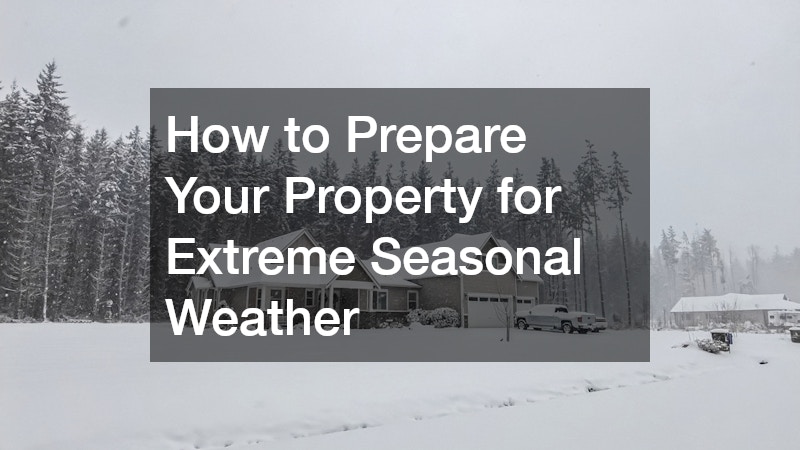
The sky has a peculiar way of shifting just before a season turns violent. Anyone who has watched a humid summer afternoon curdle into a greenish, bruising thunderstorm, or felt the air turn brittle and metallic before a historic blizzard, knows that nature gives warnings. The question is rarely whether the weather will arrive, but whether our homes can withstand the strain when it does. We face prolonged triple-digit stretches that push electrical grids to their limits, intense downpours that drop months of rain in a single afternoon, and sudden, deep freezes in areas that rarely see snow.
When a severe storm hits, your home transforms from a mere financial asset into your primary line of defense. Waiting for the first freeze warning or the initial tropical storm watch to inspect your property is a recipe for disaster. True property resilience is not achieved through last-minute panic; it is built steadily during the quiet periods. By systematically auditing, maintaining, and upgrading your home’s interior and exterior systems before the seasons shift, you can ensure your household remains safe, dry, and secure through any climate emergency.
Fortifying Your Climate Control Before Peak Seasons
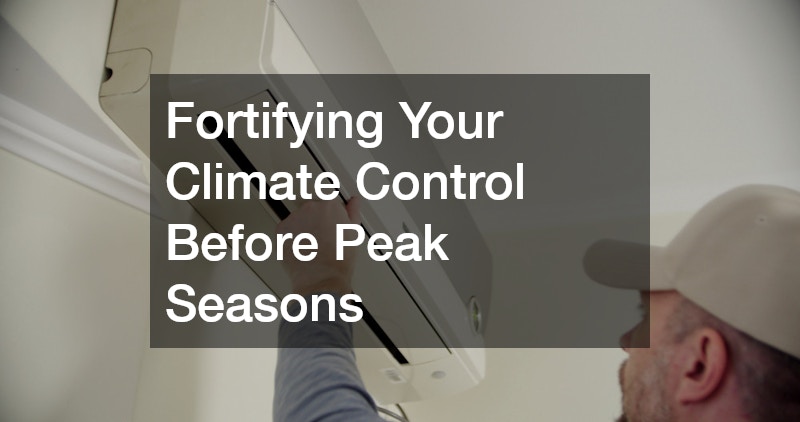
The true test of a home’s mechanical endurance happens during the absolute peaks of summer and winter. When temperatures climb or drop to historic extremes, your climate control systems work continuously, revealing minor vulnerabilities that quickly escalate into system failures.
Optimizing Your Cooling Infrastructure for Intense Heatwaves
As summer approaches, your primary objective is to maximize airflow efficiency and minimize heat transfer. A system choked by dust or obstructed by external debris must work twice as hard to cool your living space, drastically shortening its operational lifespan and driving your energy bills skyward.
Neglecting simple maintenance places immense mechanical strain on your machinery. When sustained triple-digit heatwaves hit, an unmaintained AC system will often suffer a blown compressor or a failed capacitor right when local technicians are facing a massive backlog of emergency calls. Spending twenty minutes clearing debris, gently rinsing the exterior condenser coils with a garden hose, and replacing filters in May can prevent a miserable, dangerous week without cooling in July. Always maintain a minimum two-foot clearance around your outdoor equipment to ensure unrestricted airflow.
Securing Reliable Heating Ahead of Severe Winter Blizzards
When a winter storm brings sub-zero temperatures, heating is no longer just a matter of comfort—it is a critical safety requirement. Preparing your heating apparatus before the first frost requires looking past the thermostat to inspect the physical components that generate and distribute warmth.
If your home relies on a traditional furnace or boiler, start by testing the system weeks before you actually need it. Turn the thermostat to your winter setting and listen closely for unusual noises, which often signal loose belts or failing igniters. Walk through every room to ensure supply registers are completely open and unblocked by furniture, drapes, or rugs. For forced-air configurations, pay special attention to the heat exchanger and burner assembly. Small cracks can leak deadly carbon monoxide into your home when systems run continuously during a blizzard. Scheduling a comprehensive tune-up with a professional local heating repair company in the early autumn ensures your family stays safe and warm when the winds howl outside.
Transitioning to All-Weather Energy Efficiency
True property preparation extends beyond simply maintaining old machinery; it involves upgrading the structural envelope and mechanical systems to adapt dynamically to a changing climate. Making strategic improvements to your home’s infrastructure can mitigate the financial impact of severe weather.
Implementing High-Efficiency HVAC Upgrades
Traditional single-stage heating and cooling systems operate on a binary basis: they are either running at full capacity or completely shut off. During mild weather, this cycle is manageable, but during extreme weather, it results in rapid temperature swings, excessive humidity, and massive spikes in electricity consumption.
When evaluating your property’s long-term resilience, consider moving away from fossil-fuel-reliant or single-stage configurations entirely. Investing in a professional heat pump installation represents an incredibly effective upgrade for year-round climate protection. Unlike traditional furnaces that generate heat through combustion, modern heat pumps transfer heat between the indoor air and the outdoors, operating with remarkable efficiency even when outdoor temperatures drop well below freezing. By utilizing variable-speed compressors, these systems run at low, continuous levels to maintain a perfectly stable indoor environment, drastically reducing wear on internal components and keeping energy bills manageable.
Protecting Exterior Hardscaping from Freeze-Thaw Cycles
While indoor climate systems protect your living space, your property’s exterior surfaces bear the direct brunt of seasonal precipitation. Driveways, walkways, and patios are highly susceptible to the destructive nature of the freeze-thaw cycle, a process where water seeps into porous surfaces, freezes, expands, and tears the material apart from within.
To safeguard your hardscaping, you must establish an impermeable barrier before winter moisture arrives. Begin by thoroughly power-washing your driveway to remove oil stains, dirt, and embedded moss. Inspect the entire area for hairline cracks or deep fissures; fill any gaps wider than a quarter-inch with a rubberized cold-pour crack filler to prevent water from reaching the sub-base material. Once repairs are complete, applying a high-grade asphalt sealer across the entire surface creates a durable shield that repels water, prevents oil penetration, and resists the damaging effects of UV radiation, preventing costly resurfacing projects down the road.
Safeguarding Your Property Against Heavy Runoff and Flooding
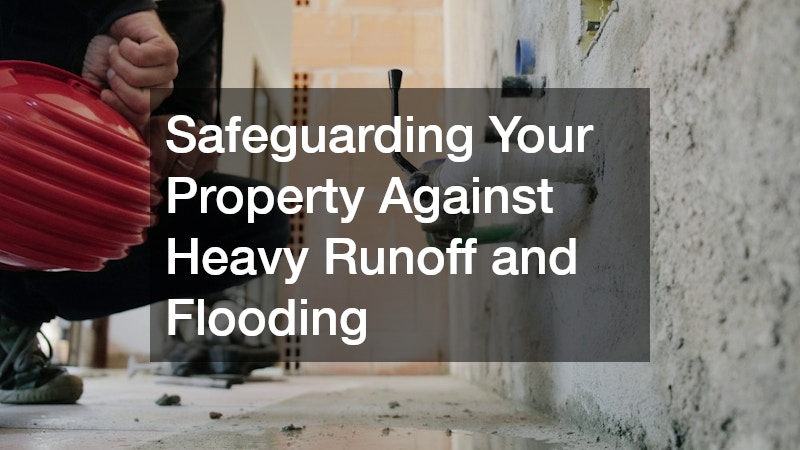
Water is the single most destructive force a home faces. Left unmanaged, heavy rain, melting snow, and localized flash flooding can ruin building materials, foster toxic mold growth, and destabilize the very ground beneath your feet.
Managing Large-Scale Groundwater and Soil Erosion
When torrential downpours or rapid snowmelts occur, the soil surrounding your home can quickly become completely saturated. If your yard does not feature the correct slope, this excess groundwater will pool against your foundation walls, building immense hydrostatic pressure that eventually forces water through microscopic cracks in the concrete.
Ideally, the ground should slope away from your foundation at a drop of six inches over the first ten feet. If you notice pooling near your basement walls, or if your property sits at the base of a hill where water cascades across your lawn, simple shovel work will not suffice. For severe grading issues, retaining wall failures, or extensive soil erosion, you will need to collaborate with an experienced excavating contractor to re-engineer your property’s topography. These professionals can cut deep swales, install heavy-duty commercial French drains, or reslope large swathes of land to safely channel thousands of gallons of stormwater away from your foundation and toward municipal storm drains.
Clearing Roof Runoff to Protect the Foundation
Your roof acts as a massive funnel during a storm. A single inch of rainfall on a 2,000-square-foot roof generates over 1,200 gallons of water. If your gutter system is clogged, damaged, or undersized, that immense volume of water will spill directly over the edges, dropping straight down to erode your landscaping and flood your crawlspace.
To prevent this, clean your gutters at least twice a year—once in late spring and once in late autumn after the last leaves have fallen. Flush the horizontal runs and vertical downspouts with a high-pressure nozzle to clear out compacted pine needles and asphalt shingle granules. While you are on the ladder, check the pitch of the gutters; they should slope downward toward the downspouts at a rate of a quarter-inch for every ten feet. If your gutters frequently overflow despite being completely clean, your roofline may require larger, commercial-grade troughs. Consulting with a professional gutter company can help you determine if upgrading to high-capacity seamless profiles is necessary to manage the heavy rainfall events common in your region.
Upgrading Roof Drainage for High-Volume Storms
Standard sectional gutters purchased at big-box hardware stores are prone to failure during intense storms. The joints, seams, and connectors used to piece them together create natural friction points where twigs and leaves catch, forming stubborn clogs. Furthermore, as the house settles and shifts, these seams expand and contract, eventually leaking and dripping water directly onto your fascia boards and siding.
If your seasonal inspections reveal extensive wood rot behind your gutters, sagging aluminum sections, or chronic leaks at the seams, patching them with silicone caulk is merely a temporary band-aid. For true storm resilience, investing in professional gutter replacement services is the most dependable path forward. Custom-extruded seamless gutters are fabricated on-site to match the exact dimensions of your roofline, completely eliminating the intermediate joints that inherently weaken sectional systems. By pairing seamless gutters with heavy-duty hidden hangers screwed directly into the structural rafters, your drainage system can support the immense weight of heavy downpours and thick winter ice accumulation without pulling away from the house.
Preventing Internal Plumbing Catastrophes
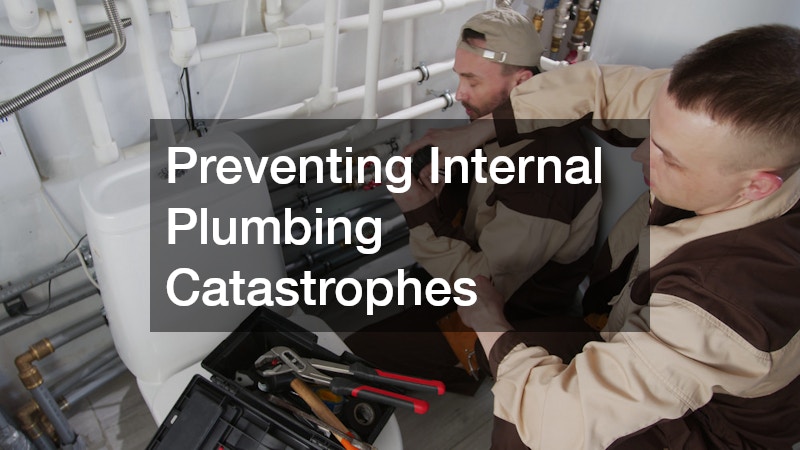
While exterior preparation shields your home’s structural shell, internal systems require equal vigilance. Extreme weather can stress your indoor infrastructure in unexpected ways, turning minor mechanical quirks into urgent, destructive failures that disrupt your daily life.
Guarding Pipes Against Freezing Temperatures and Pressure Spikes
When a historic arctic blast settles over your region, the plumbing running through unheated zones of your home is at immediate risk. As water freezes inside a pipe, it expands with incredible force. The pipe rarely bursts at the exact spot where the ice blockage forms; instead, the expanding ice pushes a column of liquid water toward a closed faucet, creating immense hydrostatic pressure that eventually ruptures the pipe wall at its weakest point.
To prevent this, wrap all water pipes located in unheated crawlspaces, basements, and exterior walls with thick closed-cell foam insulation sleeves. During extreme cold events, open vanity doors to allow warm air to circulate around kitchen and bathroom pipes, and let faucets run with a slow, steady drip to relieve internal pressure. Developing a relationship with a trusted home plumber for an annual inspection can reveal hidden vulnerabilities before the winter freeze arrives. However, if a pipe does rupture in the dead of night during a blizzard, you cannot afford to waste time searching online for help. Keeping the contact information of an emergency plumber clearly posted on your refrigerator ensures that you can secure professional intervention immediately, minimizing water damage and restoring your home’s utility systems quickly.
Maintaining Kitchen Sanitation Systems Ahead of Power Outages
Severe weather often brings unexpected electrical power outages. If a storm cuts power to your neighborhood, your household’s daily routines change instantly. Without electricity, appliances stop working, and municipal waste management can become strained, making kitchen sanitation a top priority.
Consider the compounding problems that occur during a prolonged storm. If your family is confined indoors for days, you will naturally prepare more meals at home, generating significantly more food waste than usual. If your electrical power blinks out while your sink is filled with cooking scraps, your mechanical waste systems will remain frozen mid-cycle. Attempting to force fibrous materials, heavy grease, or starchy foods down the drain during a storm is incredibly risky. Without a steady supply of high-velocity water and mechanical power, overloaded garbage disposals will quickly jam, causing wastewater to back up into your kitchen sink basins. To avoid this, throw all food scraps into the trash or a compost bin during severe weather events, using your sink drains strictly for liquid waste. Treat these kitchen mechanics with care, flushing them with plenty of cold water and a dash of baking soda before a storm arrives to ensure your drainage lines remain clear and trouble-free.
Comprehensive Seasonal Maintenance Checklists

To make this extensive guide easy to action, use these summary checklists tailored for the distinct transitional periods of the year.
The Late Spring Checklist
- Clean exterior AC condenser units and clear a two-foot perimeter of all vegetation.
- Change indoor HVAC filters and verify that all supply vents are unobstructed.
- Clear spring organic debris from gutters and downspouts; check for correct slope.
- Inspect your yard’s grading after a rainstorm to ensure water runs away from the foundation.
- Test the backup battery system on your sump pump to ensure it functions during a power outage.
The Late Autumn Checklist
- Schedule a professional heating system tune-up to ensure clean combustion and safe operation.
- Apply a high-quality protective sealer to your driveway after filling any open cracks.
- Disconnect all outdoor garden hoses and shut off the internal valves supplying exterior spigots.
- Insulate water pipes running through unheated crawlspaces, attics, or basements.
- Clean out kitchen drains and run maintenance cycles on sanitation appliances before holiday cooking begins.
Preparing your property for extreme seasonal weather is ultimately an investment in peace of mind. A home is a complex network of interconnected systems; a failure in one area, such as a clogged gutter or an ignored driveway crack, can easily trigger a cascading failure that threatens the integrity of your foundation or interior living space. By committing to a steady schedule of preventative maintenance, you remove luck from the equation.
As climate patterns continue to surprise us with their intensity, the value of a resilient, well-maintained home will only grow. Take the time during mild weather to step outside, walk your property line, look up at your roof, and listen to your mechanical systems. Address the small leaks, minor creaks, and simple blockages today, and your home will reward you by remaining a safe, secure, and comfort.