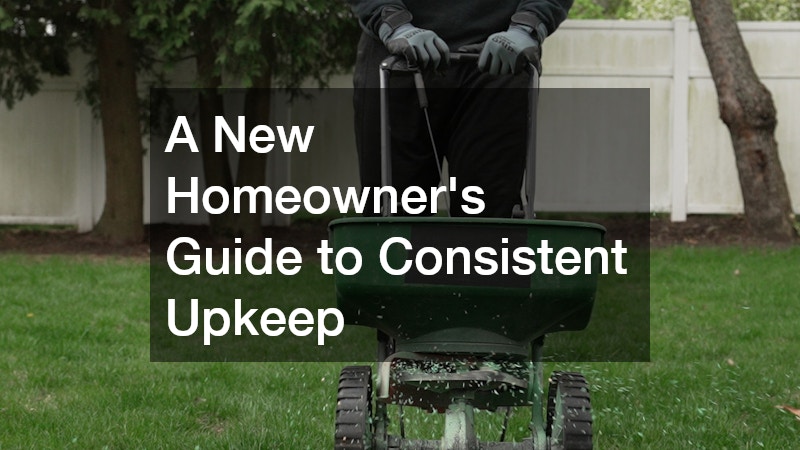
Buying a home is exciting, but it also means you are now the one who notices the small things first. A faint water stain, a new draft, or a strange sound from an appliance is no longer somebody else’s responsibility. The easiest way to stay calm is to treat upkeep like a routine, not a series of emergencies. When you do that, you protect the home, and you protect your time.
Consistent upkeep is not about doing everything every weekend. It is about setting a baseline, checking a few high-risk areas regularly, and acting early when something changes. A simple system beats motivation because it works even during busy months. The goal is steady progress and fewer unpleasant surprises.
Establish Your Baseline And Tracking System
Start with a one-time walkthrough that creates a baseline you can compare against later. Take photos under sinks, around the water heater, in the attic, and along exterior walls where you can see siding seams and trim lines. Record model numbers for major equipment and save any paperwork you received at closing in one place. This makes it easier to spot what is new rather than guessing what has always been there.
Once you have a baseline, create a log you will actually use. Keep it simple: date, what you checked, and what you noticed. Write down the small details, such as a vent that suddenly feels weaker or a bathroom fan that sounds rougher than last month. Those notes help you identify patterns, and they also help professionals work faster if you ever need support.
Build A Monthly Routine That Catches Problems Early
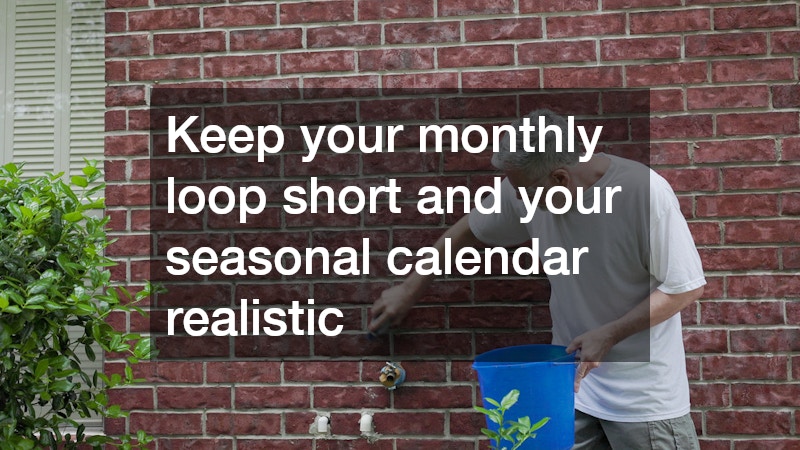
Your monthly routine should be short enough that you do not postpone it. Do a quick loop for visible leaks, listen for new appliance noises, and check that smoke and carbon monoxide detectors are functioning. Scan ceilings and baseboards for faint discoloration that could suggest slow moisture. Ten minutes of attention is often enough to prevent a much larger disruption later.
As the seasons change, plan ahead for comfort systems instead of waiting for peak demand. Scheduling heating repair services during mild weather can reveal worn parts, airflow restrictions, or control issues while appointments are easier to book. A preventive visit also teaches you what normal operation sounds like, which makes it easier to recognize changes later. The payoff is reliability when the temperature drops.
Indoor air can quietly drift in the wrong direction if filtration and airflow are ignored. If you notice persistent dust, lingering odors, or rooms that never feel as fresh as others, consider whether ductwork conditions or recent construction debris are part of the issue. In some situations, duct cleaning is a practical reset that removes buildup that is actively circulating. It should be tied to a real reason, not treated as an automatic yearly task.
Manage Water Risk With Clear Priorities
Water problems are expensive because they hide and because they spread. Make a habit of checking under sinks, behind toilets, and around appliances that use water, especially during your first year of ownership. Pay attention to changes in water pressure, recurring clogs, and unexplained spikes in your water bill. Those are often early warnings, not random inconveniences.
When something is beyond basic troubleshooting, getting the right help quickly matters. Many homeowners establish a relationship with local plumbers so they can get clear guidance without panic when an issue appears. Your home log becomes useful here because you can explain what changed, when it started, and what you have already checked. Clear information usually leads to a faster, more focused fix.
If your home sits on a slab, learn the warning signs that deserve immediate attention. Warm spots on floors, musty odors that do not resolve, and unexplained moisture can point to a hidden leak under the foundation. Slab leak repairs tend to be less disruptive when the problem is identified early, because there is usually less secondary damage to address. If you see those signs, treat them as time-sensitive.
Protect The Envelope With Seasonal Checks
Seasonal checks work because they match how homes experience weather stress. In spring, focus on drainage, exterior sealing, and preparing cooling equipment. In fall, focus on weatherproofing, clearing gutters, and confirming heating readiness. Put reminders on a calendar so the work feels routine rather than reactive.
Small entry-point issues can affect comfort more than new homeowners expect. A quick, seasonal check of doors for alignment, weatherstripping wear, and smooth latching can prevent drafts and sticky operation. Tightening hardware and correcting minor sag also reduces wear on frames and keeps locks working properly. These are small tasks that noticeably improve daily use.
You can apply the same check indoors, where subtle rubbing or misalignment often signals humidity changes or minor settling. If a bedroom door suddenly sticks, inspect hinges, strike plates, and the gap along the top edge before forcing it closed. A few minutes of adjustment can prevent chipped paint, damaged trim, and ongoing irritation. Over time, these small checks keep doors operating smoothly and reduce wear on the hardware you use every day.
Your roof is a major protective system, so you want clarity, not guesswork. After significant storms, look for missing material, damaged flashing lines, and any new sagging along roof edges. In many situations, roofers can confirm whether you need a repair now or simply a plan to monitor wear over time. That professional confirmation often saves money by preventing unnecessary work and catching real issues early.
If you are unsure what you are seeing, document it and ask for an opinion rather than climbing or guessing. Good roofers can explain whether a shingle crease, flashing lift, or granule loss is cosmetic or a sign of water risk. That clarity helps you decide whether to repair now, plan for a future replacement, or simply monitor. The most valuable outcome is understanding your roof timeline before an interior leak forces the decision.
Keep Electrical Safety And Backup Planning Simple
Electrical safety is easier when you treat it as a set of quick checks rather than a mystery. Test GFCI outlets where appropriate, make sure outdoor outlets are protected, and confirm your panel labeling is accurate. If breakers trip repeatedly, treat it as a system signal that deserves attention rather than something to work around. Reliable power reduces stress across every part of the home.
Pay attention to any place where wiring passes through walls, cabinets, or equipment housings. Poorly protected penetrations can allow abrasion, moisture intrusion, or pest access. In many setups, power feedthroughs are used to route wiring cleanly and reduce wear, but they still need to be secure and appropriate for the environment. If you notice loose fittings or exposed openings, address them promptly.
When you add or move wiring for projects like shelving, garage upgrades, or entertainment setups, treat protection and strain relief as part of the job. Using appropriate power feedthroughs can prevent cords from being pinched by moving panels, abraded by sharp edges, or pulled loose over time. The goal is to keep routing tidy while also reducing the chance of heat buildup or insulation damage. If anything feels loose or warm to the touch, stop using it and address the routing immediately.
Outage planning does not need to be complicated to be effective. Decide what you must keep powered, such as refrigeration, basic lighting, or medical equipment, then plan around that. Some households choose home generators for resilience during extended disruptions, but the value comes from matching capacity to critical loads. Even without a generator, a clear plan and a few essentials reduce uncertainty.
If you do invest in backup power, include basic readiness in your calendar the same way you do seasonal checks. A quick monthly glance at status lights and a reminder of what circuits are supported keeps expectations realistic. In that context, home generators are less about convenience and more about continuity, especially during extreme temperatures. The point is to know what will work before you actually need it.
Approach Mechanical Systems With Measured Attention
Mechanical equipment benefits from light, scheduled attention rather than frequent tinkering. Keep access areas clear so you can see drips, corrosion, or unusual debris, and clean around units so changes stand out. Listen for new vibrations or delayed starts and note the date and conditions in your log. That record turns vague concerns into useful diagnostic information.
If your comfort system shows any recurring issues, avoid waiting until the worst weather returns. Scheduling heating repair services when temperatures are moderate can give you more flexibility, better appointment availability, and less urgency. It also lets you decide what is truly necessary now versus what you can monitor for another season. That measured approach tends to reduce both cost and stress.
Indoor air improvements should follow the same logic: target real conditions, then return to routine. If airflow feels uneven or dust returns quickly after cleaning, confirm that filters and returns are not the real culprit first. When those basics are solid, duct cleaning can be a sensible step in homes with visible buildup, renovation residue, or long periods of neglect. The goal is better consistency, not chasing perfect air.
Keep Pools Stable With A Routine You Can Maintain
Pool upkeep feels hard when it is reactive and easy when it is consistent. Test on a schedule that matches heat and usage, and make small corrections instead of big swings. Stable water protects surfaces, supports sanitizer performance, and generally makes the pool more comfortable to use. Most problems become manageable when you catch them early.
Sometimes you will see guidance that recommends a lower pH in pool service based on test results and swimmer comfort. Treat that as a measurement-based adjustment rather than a blanket instruction. Small, gradual changes usually create more stability than dramatic corrections. Over time, that stability reduces how often you have to chase chemistry.
To keep results steady, support chemistry with basic physical maintenance. Skim as needed, keep baskets and filters clean, and maintain consistent circulation so water does not stagnate. If the pool is surrounded by landscaping, keep debris and runoff under control so you are not constantly fighting contamination. A stable routine is what makes pool ownership feel like a benefit instead of a second job.
If you ever need a lower pH in pool service adjustment again later in the season, the same rule applies: confirm the reading, correct gradually, and re-test after circulation. Consistency matters more than intensity, and small corrections protect both equipment and finishes. When the water stays stable, everything else becomes easier.
Maintain Property Tools Without Creating New Problems
Tools and equipment can save time, but only if they are matched to real needs and maintained on a schedule. Start by identifying the tasks you actually do: hauling, grading, clearing, or seasonal landscaping. Buy fewer tools that do more of what you need instead of collecting items that sit unused. Storage, maintenance access, and safe operation should be part of the decision.
On larger properties, some homeowners consider tractor packages to handle recurring jobs efficiently. The value comes from choosing the right attachments for the work you actually do and ensuring you can store and maintain the equipment properly. Comfort and control layout matter because equipment that is unpleasant to use tends to get ignored. A practical setup is one you can use confidently and safely.
Treat equipment care like home care. Check tire pressure periodically, clean after heavy use so wear stands out, and store fuel appropriately if needed. Avoid using heavy equipment when the ground is saturated, because ruts and compaction create extra repair work later. When your tools are reliable, the property stays easier to manage.
If tractor packages are part of your long-term plan, revisit the decision after your first full year in the home. Your first year teaches you what jobs are frequent and which ones are occasional. That clarity prevents impulse purchases and helps you invest where it actually reduces effort. Consistency is the theme, whether you are maintaining the home or the equipment that supports it.
Know When To Call Pros And When To Keep It Simple
A responsible homeowner does not do everything alone. Handle the simple, safe tasks you can do confidently, and call professionals when risk, complexity, or hidden damage becomes likely. Acting early is usually the difference between a small fix and a disruptive repair. Your log and baseline photos help you communicate clearly and avoid guesswork.
It also helps to keep a short, practical contact list before you need it. Save numbers for an electrician, an HVAC provider, and local plumbers, and note any hours or service areas that matter for your neighborhood. When you are stressed, having vetted contacts prevents rushed decisions and wasted calls. The list is part of maintenance because it shortens the time between noticing a problem and getting it handled safely.
If a slab-home symptom appears, do not wait for it to become obvious. Slab leak repairs are easiest when the leak is still limited, and the diagnosis is quick. Your photos and notes can help a professional narrow down likely causes faster. The earlier you act, the more options you typically have.
Finish with a routine you can sustain. Keep your monthly loop short, your seasonal calendar realistic, and your notes consistent. You will still have projects, but they will be planned projects instead of surprise crises. That is what consistent upkeep looks like when it is done thoughtfully.