

Maintaining an attractive, healthy landscape is not a one-season job. It requires consistent attention, thoughtful planning, and an understanding of how outdoor environments change throughout the year. Home maintenance experts recognize that landscaping is closely connected to the overall condition of a property, influencing curb appeal, usability, and even long-term maintenance costs. From plant selection to soil health, each decision plays a role in how well a landscape performs across changing weather conditions.
Rather than treating landscaping as an occasional task, home maintenance experts approach it as an ongoing system that evolves with seasonal demands. Spring growth, summer stress, fall preparation, and winter protection all require different strategies. When these phases are handled correctly, landscapes remain resilient, visually appealing, and easier to maintain over time. This approach also helps prevent common problems such as erosion, pest damage, overwatering, and soil depletion.
A year-round perspective allows homeowners to align landscaping with other exterior considerations, including hardscaping features, drainage patterns, and surrounding structures. Whether managing lawn care, coordinating plant health with nearby surfaces, or ensuring irrigation efficiency, the goal is consistency and balance. By understanding how professionals think about landscaping throughout the year, homeowners can make more informed decisions and protect their outdoor investments while enjoying functional, beautiful spaces in every season.
What Are The Key Elements Of Year-Round Landscaping Care?

Understanding Seasonal Changes
Successful landscaping begins with recognizing how seasonal shifts affect plant growth, soil condition, and moisture needs. Home maintenance experts closely monitor temperature fluctuations, rainfall patterns, and daylight changes to anticipate how landscapes will respond. Spring encourages rapid growth and root development, while summer often introduces heat stress and higher water demand. Fall focuses on recovery and preparation, and winter emphasizes protection and preservation.
These seasonal changes influence everything from mowing schedules to pruning techniques. For example, aggressive trimming during peak growth periods can weaken plants, while delayed maintenance may lead to overgrowth or disease. Professionals also account for freeze-thaw cycles that can affect soil stability and surrounding features, especially near walkways or accent stones integrated into landscape designs.
By adjusting care routines throughout the year, home maintenance experts reduce long-term damage and improve overall landscape performance. This adaptive mindset ensures plants are supported when they are most vulnerable and encouraged when conditions are ideal for growth, resulting in healthier outdoor spaces with fewer corrective interventions.
Essential Tools And Equipment
Year-round landscaping requires a diverse set of tools designed to handle varying tasks and conditions. From basic hand tools to specialized equipment, the right resources help maintain efficiency and consistency. Items such as pruners, soil testers, aerators, and spreaders are commonly used to manage plant health and soil quality across seasons.
Professionals also rely on equipment that supports broader property maintenance. For instance, coordination with a concrete company may be necessary when landscaping borders hard surfaces, while awareness of nearby flat roofing services can influence drainage planning and runoff management. Even partnerships with local lumber supplies can support repairs to garden structures, edging, or retaining elements affected by seasonal wear.
Having access to proper tools allows home maintenance experts to respond quickly to seasonal needs without compromising quality. This preparedness minimizes disruption, supports plant health, and ensures landscapes remain functional and visually cohesive year-round.
How To Prepare Your Landscape For Each Season?
Spring Preparation Techniques
Spring is a critical time for resetting landscapes after winter dormancy. Home maintenance experts begin by clearing debris, assessing plant damage, and improving soil conditions to support new growth. Pruning dead or weakened branches helps redirect energy to healthy growth, while early planting establishes strong root systems before summer heat arrives.
Soil preparation is especially important during this season. Aeration improves oxygen flow, and targeted fertilization supports nutrient uptake without overstimulating growth. Lawn care routines often resume gradually, with mowing heights adjusted to encourage root development rather than surface growth. Irrigation systems are also inspected to ensure proper function before increased demand.
Spring preparation may also involve coordinating landscaping plans with other exterior projects. For example, if nearby asphalt paving companies are scheduled to work on driveways or paths, timing landscape work appropriately prevents unnecessary disruption. By taking a comprehensive view, home maintenance experts ensure spring efforts lay a strong foundation for the rest of the year.
Fall And Winter Readiness
As temperatures cool, landscaping priorities shift from growth to protection. Fall is an ideal time to strengthen plants before winter by focusing on soil health, moisture management, and strategic pruning. Removing diseased foliage reduces the risk of pests overwintering, while mulching helps regulate soil temperature and retain moisture.
Winter readiness often includes adjusting irrigation systems, insulating vulnerable plants, and protecting root zones from extreme cold. Home maintenance experts also evaluate drainage patterns to prevent pooling water that can freeze and damage plant roots or nearby structures. In areas where snow or ice is common, maintaining clear boundaries between landscapes and hardscapes becomes especially important.
Preparing landscapes for colder months reduces the likelihood of spring setbacks. With proper planning, plants emerge healthier, soil remains stable, and the transition back into active growth is smoother and more predictable.
What Are The Best Practices For Lawn Care?
Timing And Frequency Of Mowing
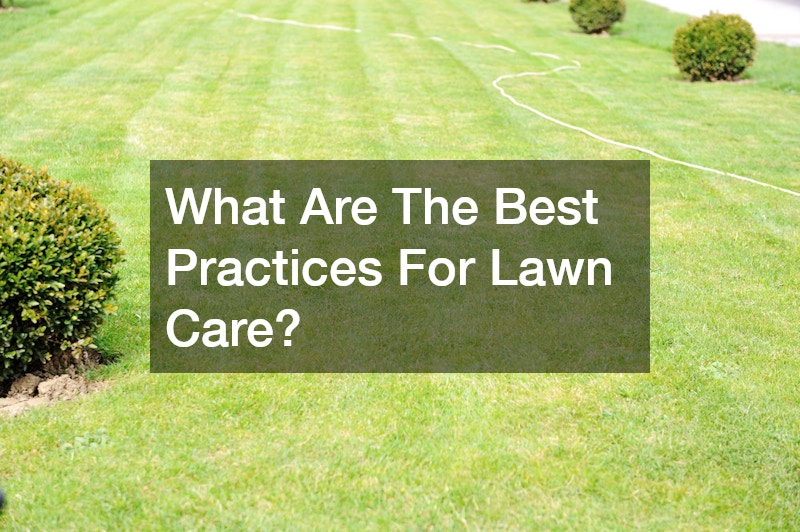
Consistent mowing practices are essential to maintaining a healthy lawn throughout the year. Home maintenance experts adjust mowing frequency based on growth rates, which vary by season and climate. Cutting grass too short or too often can stress roots, while infrequent mowing may lead to uneven growth and increased weed presence.
Proper timing supports lawn resilience, especially during periods of environmental stress. In warmer months, slightly taller grass shades soil and conserves moisture. During cooler seasons, mowing frequency decreases as growth slows. These adjustments help lawns remain dense and healthy without unnecessary strain.
Lawn care decisions are also influenced by surrounding features and usage patterns. For properties with heavy foot traffic or nearby work involving garage door companies or a garage door company, maintaining durable turf helps prevent bare patches and soil compaction. Strategic mowing supports both appearance and functionality.
Fertilization And Weed Control
Fertilization and weed management must be carefully balanced to avoid long-term issues. Home maintenance experts rely on soil testing and seasonal timing to determine when and how nutrients should be applied. Over-fertilization can encourage rapid growth at the expense of root strength, while under-fertilization may leave lawns vulnerable to weeds and disease.
Weed control strategies often combine preventative and reactive measures. Healthy, dense grass naturally limits weed growth, reducing the need for chemical treatments. When intervention is necessary, targeted applications minimize environmental impact and protect surrounding plants.
By aligning fertilization and weed control with seasonal conditions, professionals maintain strong lawns that require less correction over time. This approach supports sustainable landscapes while preserving visual appeal and usability.
How To Enhance Soil Health Throughout The Year?
Testing Soil Quality
Healthy soil is the foundation of successful landscaping, and home maintenance experts treat soil evaluation as an ongoing process rather than a one-time task. Seasonal testing helps identify nutrient deficiencies, pH imbalances, and drainage issues that can affect plant performance. By understanding how soil conditions change throughout the year, adjustments can be made before problems become visible above ground.
Soil testing also guides responsible amendment practices. Instead of applying generic treatments, professionals tailor solutions to the specific needs of the landscape. This approach supports plant health while avoiding excessive fertilizer use that can harm surrounding areas. In landscapes that integrate hardscaping or pathways installed by local paving companies, soil stability becomes even more important to prevent shifting or erosion.
Routine testing allows home maintenance experts to make informed decisions that improve long-term soil structure. With consistent monitoring, landscapes develop stronger root systems, improved water retention, and better resistance to seasonal stress.
Composting Benefits
Composting plays a significant role in maintaining nutrient-rich soil year-round. Organic matter added through compost improves soil texture, supports beneficial microorganisms, and enhances moisture regulation. Home maintenance experts often incorporate compost during seasonal transitions to replenish nutrients depleted by plant growth or environmental factors.
Beyond improving fertility, composting contributes to sustainable landscaping practices. By recycling organic waste, homeowners reduce landfill impact while enriching their soil naturally. Compost also helps moderate soil temperature, offering insulation during colder months and moisture retention during warmer periods.
When applied strategically, compost strengthens the entire landscape ecosystem. This practice supports healthy plant growth, reduces dependency on synthetic products, and contributes to soil resilience across all seasons.
What Landscaping Plants Thrive In Different Seasons?
Choosing Plants For Each Season
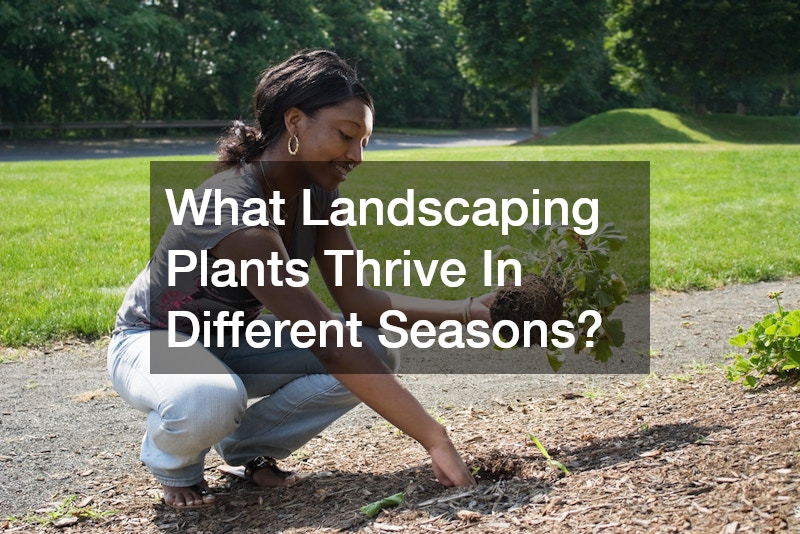
Plant selection greatly influences how landscapes perform throughout the year. Home maintenance experts prioritize diversity, selecting plants that thrive during different seasons to maintain visual interest and functional coverage. Spring bulbs, summer perennials, fall foliage plants, and winter-hardy shrubs each contribute to year-round appeal.
Choosing seasonally appropriate plants also reduces maintenance demands. Plants suited to local climate conditions require less water, fewer interventions, and recover more quickly from environmental stress. This strategic planning ensures landscapes remain balanced even as weather patterns shift.
Seasonal plant planning may also align with other property improvements. For example, coordinating planting schedules with exterior updates completed by a painter ensures minimal disruption and cohesive visual results. Thoughtful plant selection supports both aesthetics and efficiency.
Natives Vs. Non-Natives
Native plants offer several advantages in year-round landscaping. Adapted to local conditions, they typically require less water and are more resistant to pests and disease. Home maintenance experts often recommend natives to promote sustainability and reduce ongoing maintenance needs.
Non-native plants can still play a role when chosen carefully. Some offer unique textures or seasonal interest that complement native species. However, they often require closer monitoring to ensure they do not struggle or become invasive.
Balancing native and non-native plants allows landscapes to remain diverse without compromising health. This approach creates visually dynamic spaces that perform well across changing seasons.
How To Manage Irrigation Needs Year-Round?
Establishing A Watering Schedule
Effective irrigation management is essential for maintaining healthy landscapes throughout the year. Home maintenance experts adjust watering schedules based on seasonal conditions, soil type, and plant needs. Overwatering during cooler months can be just as harmful as underwatering during summer heat.
Watering schedules also account for weather patterns and drainage characteristics. Landscapes near hard surfaces installed by asphalt paving companies may require adjustments to prevent runoff or pooling. Proper scheduling ensures water reaches root systems without waste.
By tailoring irrigation plans seasonally, professionals protect plant health while conserving resources. This thoughtful approach reduces stress on landscapes and supports long-term sustainability.
Understanding Drip Vs. Sprinkler Systems
Different irrigation systems serve different purposes. Drip systems deliver water directly to plant roots, reducing evaporation and minimizing weed growth. Sprinkler systems provide broader coverage, making them suitable for lawns and open areas.
Home maintenance experts often evaluate irrigation needs on a zone-by-zone basis. In larger properties or shared spaces, commercial garden irrigation systems may be used to manage water efficiently across varied landscape elements. Choosing the right system improves consistency and reduces maintenance challenges.
Understanding the strengths of each system allows for smarter water use and healthier plants year-round.
What Pest Control Measures Are Effective Year-Round?

Regular Maintenance And Monitoring
Preventative pest management relies on consistent observation and timely intervention. Home maintenance experts conduct regular inspections to identify early signs of infestation or disease. Addressing issues early reduces the need for aggressive treatments later.
Routine maintenance tasks such as pruning, debris removal, and proper watering discourage pests by eliminating favorable conditions. Healthy plants are naturally more resistant, making maintenance a critical component of pest control.
Monitoring also helps identify seasonal pest patterns, allowing professionals to anticipate issues and respond proactively.
Natural Pest Deterrents
Natural pest control methods support ecological balance while protecting landscapes. Techniques such as companion planting, beneficial insects, and organic deterrents reduce reliance on chemical treatments. Home maintenance experts often incorporate these methods to maintain healthy environments.
These strategies are especially effective when combined with proper soil health and irrigation practices. Together, they create landscapes that are resilient, balanced, and less susceptible to recurring pest problems.
Natural deterrents offer a sustainable solution that supports long-term landscape health without compromising safety.
What Are The Benefits Of Professional Landscaping Services?
Expert Knowledge And Experience
Professional landscapers bring a depth of knowledge that supports healthier, more efficient outdoor spaces. Home maintenance experts understand how landscaping interacts with other property systems, from drainage near structures to surfaces managed by a concrete company.
Their experience allows them to anticipate challenges and implement solutions that homeowners may overlook. This expertise leads to improved aesthetics, stronger plant health, and reduced long-term costs.
Working with professionals ensures landscaping decisions are informed, strategic, and aligned with the property’s overall maintenance plan.
Time And Cost Efficiency
Hiring professionals often saves time and money over the long term. Home maintenance experts streamline maintenance routines, prevent costly mistakes, and extend the lifespan of landscape features. Their coordinated approach minimizes disruptions and maximizes results.
By managing tasks efficiently, professionals reduce the need for repeated corrections or emergency fixes. This proactive care allows homeowners to enjoy their landscapes without constant upkeep demands.
Professional services offer peace of mind, knowing landscapes are cared for consistently and effectively throughout the year.
Year-round landscaping care requires more than occasional attention. It demands a thoughtful, adaptive approach that considers seasonal changes, plant health, soil quality, and irrigation needs. Home maintenance experts understand that landscapes function as living systems, influenced by weather, usage, and surrounding property features. By addressing these factors consistently, they create outdoor environments that remain attractive and resilient throughout the year.
From careful lawn care practices to strategic plant selection and efficient water management, each element contributes to long-term landscape success. Preventative maintenance, regular monitoring, and sustainable practices reduce the need for reactive solutions while supporting healthier growth. This approach not only improves appearance but also protects the investment homeowners make in their outdoor spaces.
Ultimately, working with home maintenance experts allows homeowners to achieve balanced, functional landscapes without unnecessary stress. Their experience ensures that landscaping aligns with broader property needs while adapting to seasonal demands. With consistent care and informed decision-making, year-round landscaping becomes a manageable, rewarding part of maintaining a beautiful and sustainable home environment.