
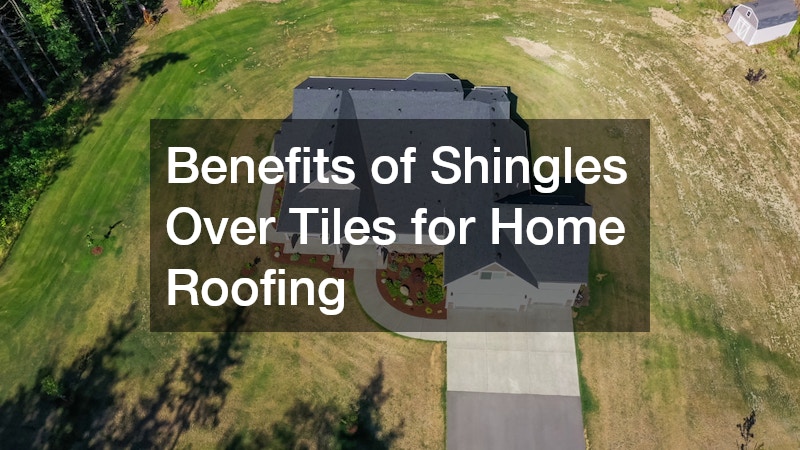
When building a home, one of the most important decisions you’ll make is choosing the right roofing material. Shingles and tiles are two of the most popular options, each offering distinct advantages. However, many homeowners, particularly those in regions with extreme weather like Minneapolis, MN, find that shingles offer several compelling benefits over tiles. In this article, we’ll explore why shingles are often the preferred choice, with insights from commercial roofers in Minneapolis, MN, to guide you through the process.
Video Source
Why Choose Shingles Over Tiles?
Cost Efficiency
One of the primary reasons homeowners prefer shingles is their affordability. When compared to tiles, shingles are significantly less expensive, both in terms of the initial material cost and installation.
Commercial roofers in Minneapolis, MN, often note that while tiles can be a beautiful and durable option, they come with a higher price tag. The cost of tile roofing materials can be up to 50% more than asphalt shingles, and the labor involved in installing tiles is more intensive, which further drives up the overall cost of the project.
In contrast, shingles are lightweight, easy to transport, and straightforward to install, making them a cost-effective choice for homeowners looking to keep their construction budget in check.
Installation Ease
Another key benefit of shingles over tiles is the ease of installation. Shingles are designed to be lightweight and flexible, allowing roofers to install them quickly and efficiently. This not only reduces labor costs but also minimizes the disruption to your home during construction. In Minneapolis, where construction schedules can be tight due to harsh winters, this faster installation process can be particularly advantageous.
Commercial roofers in the area often recommend shingles for projects that require a quicker turnaround, especially when the weather window is limited.
Durability and Maintenance
When it comes to durability, shingles have a proven track record in a variety of weather conditions. In Minneapolis, where snow, ice, and extreme temperatures are a regular part of the landscape, shingles have a distinct advantage. Modern asphalt shingles are designed to withstand heavy rainfall, snow, and even hail, making them a great option for homes in the region. Additionally, shingles require less maintenance compared to tiles. While tile roofs may need periodic checks for cracks or damage, shingles are less likely to suffer from these issues.
What Are the Environmental Impacts of Shingles Versus Tiles?
Material Sourcing
When considering the environmental impact of roofing materials, shingles and tiles differ in terms of material sourcing. Asphalt shingles are primarily made from petroleum-based products, but they are also often manufactured with a higher proportion of recycled materials. Tile roofs, while durable, are typically made from natural clay or concrete, which require significant energy to produce and transport.
Energy Consumption in Manufacturing
The manufacturing of tile roofing materials is generally more energy-intensive than that of shingles. Tiles are fired in kilns at high temperatures, which consumes more energy compared to the production process for asphalt shingles. In contrast, the production of shingles tends to have a lower carbon footprint, though it still relies on petroleum-based materials.
Waste and Recycling
One of the advantages of shingles over tiles is their recyclability. Asphalt shingles can often be repurposed into other products, such as paving materials for roads, reducing the amount of waste sent to landfills. While tile roofs are durable, they are not as easily recycled, and damaged tiles often end up as waste.
How Do Shingles Perform in Varied Weather Conditions?
Wind Resistance
Shingles are known for their wind resistance, particularly when installed with proper underlayment and flashing. Commercial roofers in Minneapolis note that shingles perform well in high winds, which are common in stormy conditions. Some asphalt shingles are even designed to resist winds up to 130 miles per hour, making them a reliable option for homes in areas prone to severe weather.
Water and Ice Protection
In snowy climates like Minneapolis, ice dams can cause significant damage to roofs. Shingles, when properly installed with ice and water shields, offer excellent protection against water infiltration and ice buildup, helping to prevent leaks and costly repairs.
Sun and Temperature Fluctuation Tolerance
Shingles are designed to handle the extreme temperature fluctuations seen in places like Minneapolis. Whether it’s the harsh cold of winter or the intense summer sun, shingles remain durable and functional, expanding and contracting with the changing temperatures without losing their integrity.
In conclusion, shingles offer a range of benefits over tiles for home construction, from cost efficiency and ease of installation to durability and environmental impact. Insights from commercial roofers in Minneapolis, MN, emphasize the practical advantages of shingles, especially in regions with extreme weather conditions. Whether you’re building a new home or replacing an existing roof, shingles present a reliable, affordable, and sustainable option to meet your roofing needs.